Basically, I wanted to create a really low-poly mesh (that was all quads) that subdivides into a higher poly mesh that has the topology of a professionally-made character model (to save me time on creating character models in the future, as I would only need to change a few points rather than use sculpting). Anyways, I actually managed to do it, but I’m not sure on the hands I created for this model. I had the challenge of making the hands fit onto an 8-span arm, and I succeeded, but I was wondering if there were ways to make it better and fit professionally made hand topology for games. Here is my hand topology for reference, both with and without the subdivision-surface modifier (there are a lot so I had to upload them on imgur) https://imgur.com/a/eYMVyZ8
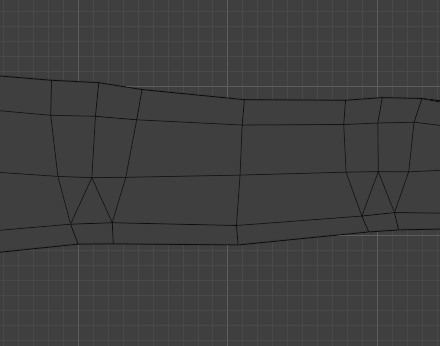
My main points of contention are the fingers and thumb, which are 6 spans, causing a lot of 5 poles on the model, especially on the base of the thumb. Furthermore the joints of the fingers themselves are simple spans across the finger, while some professionally made topology has some special geometry for the joints of the fingers such as this one:
it seems to be made of 3 tris, which I’m not sure how to recreate with my current finger topology, (or with all quads as those subdivide best and the rest of the model is all quads) and I would like some help from those smarter than me! Here is the blend file if you want to work with it:
You keep asking the same question over and over again, and somehow expecting a different answer. The answer is the same as it was the other times you asked. There’s no point in trying to match a specific topology, because there’s no such thing as one perfect topology for all cases. If your topology deforms well for your model then it’s the perfect topology for that model. Unless your model is identical, and the rig is also identical, and the weight paints are identical, to your reference, you’re trying to match, this is an apples to oranges situation
Then you need to start doing some basic rigging on it, and seeing how things perform.
Increasing your skill with topology and rigging and animation is an organic process, that you need to do a lot of testing and experimentation to see what works best.
This routine of … post a file, with a screenshot, and ask if it’s great – this doesn’t work too well. That is for when you’re having a specific problem and it cannot be resolved.
As others said, the topology depends on what it is used for. One cannot learn the so called perfect topology first, and only then move on to the next step, like rigging, then learn the “perfect” way to rig, and only after that move on to weight painting, and after “mastering” it move on to animating, etc. Because each part of the process affects everything else. So the only way to learn these things thoroughly is by making a model, rigging it, weight painting it and animating it, and seeing does it work or not. If it doesn’t then you analyze and diagnose the problem: can it be solved by weight painting, readjusting the bones, or changing the topology? The doing those adjustments and seeing if it works. And repeat.
And usually, one will learn much more by making many mediocre models quite quickly than trying to adjust only one model until it’s perfected. Because when making stuff without pressure you will accidentally discover things that wouldn’t even come into your mind by just constantly trying to reason your way through the process.
But I do have a link to demonstrate the behavior of different topology solutions on joints:
Here’s a more concrete example. I and a coworker both model humans for animation and game engines for work. We’re both professionals who are making “professional” topology. On knees and elbows, I usually use double diamond patches. My coworker usually uses isolated inset patches. Neither of us are right or wrong- both have their own unique challenges and strengths. Both require careful weight painting and testing to work properly. If you asked my coworker to see what professional joint topology looks like, his answer would be different from mine, but we use both depending on context and rig
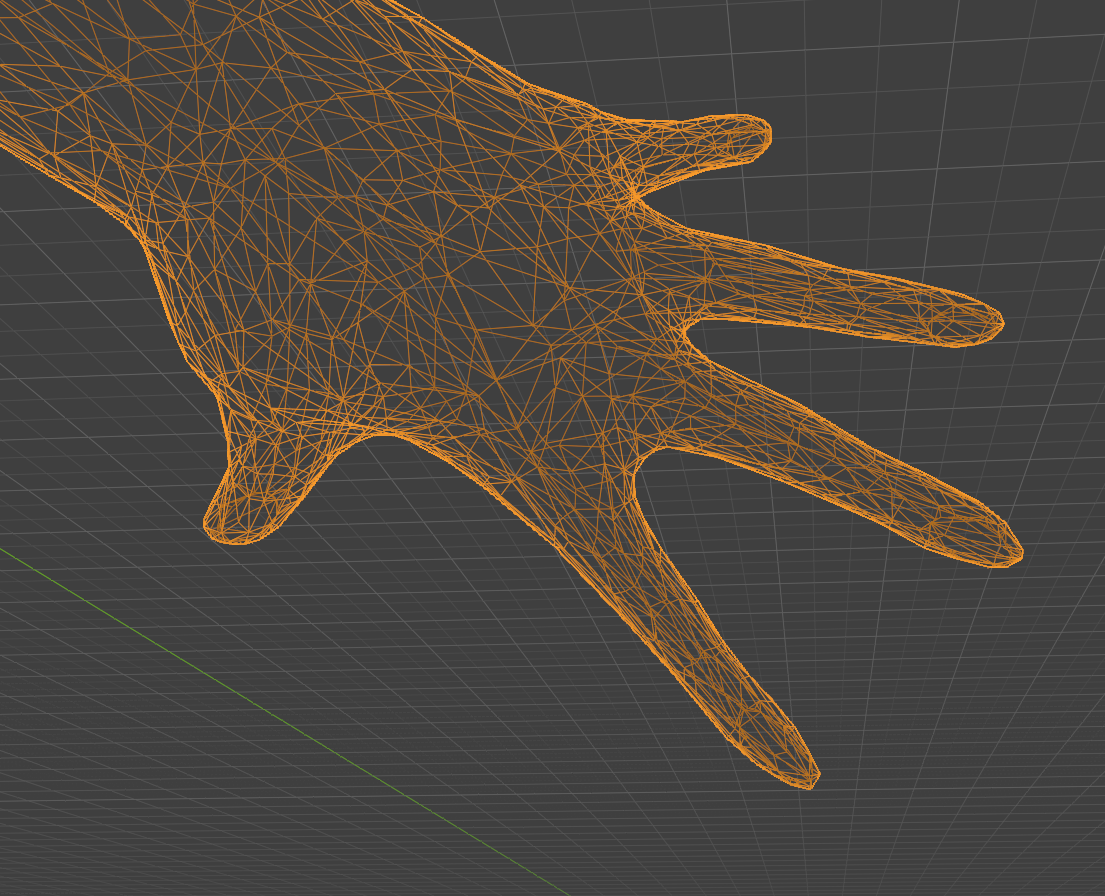
haha, yeah, it started as a 3d scan, I did remesh it for some phases of the project, so it wasn’t all that bad, but the remesh was just instant meshes, so there’s plenty of goofy topology, even if it is mostly quads:
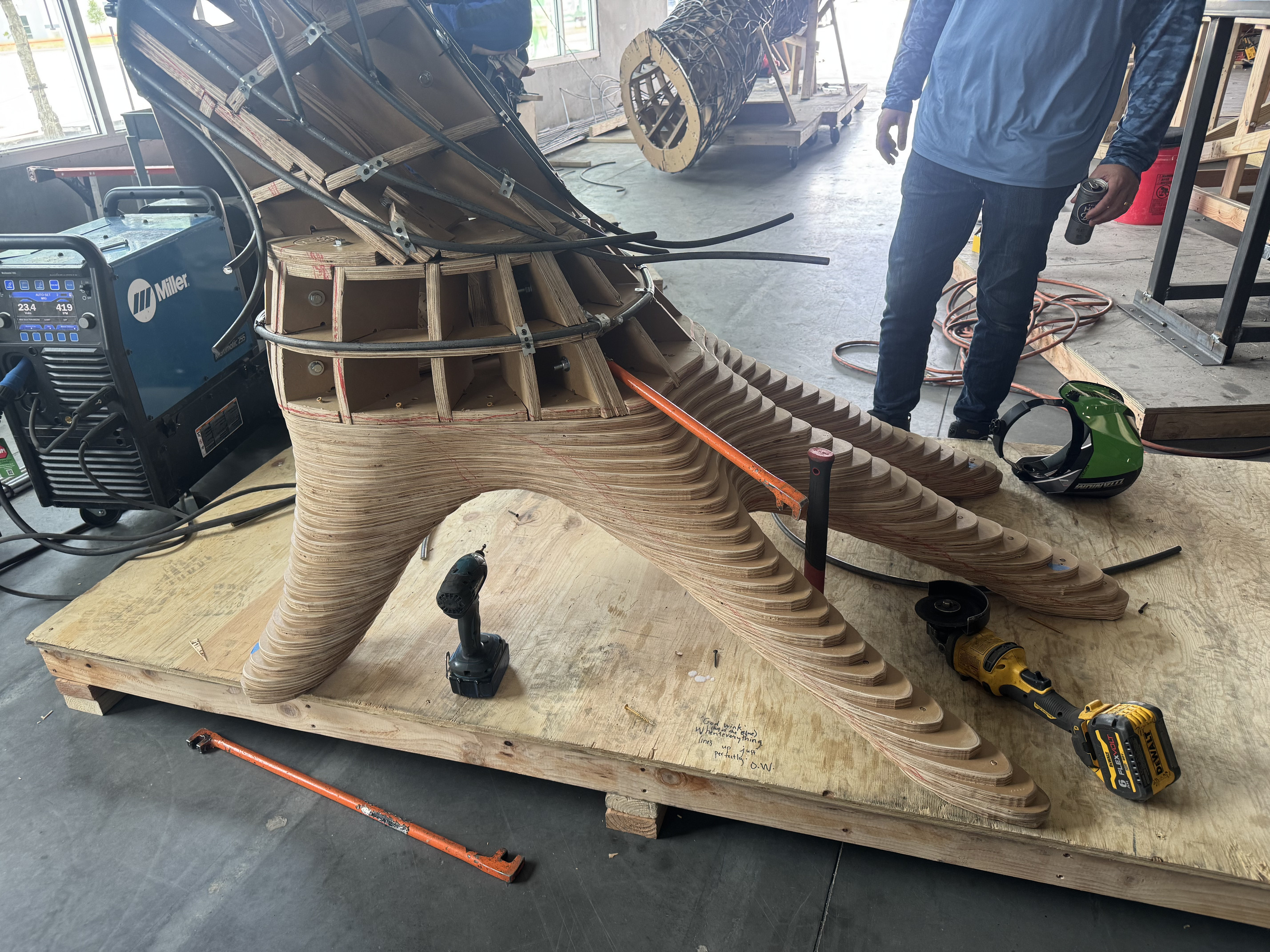
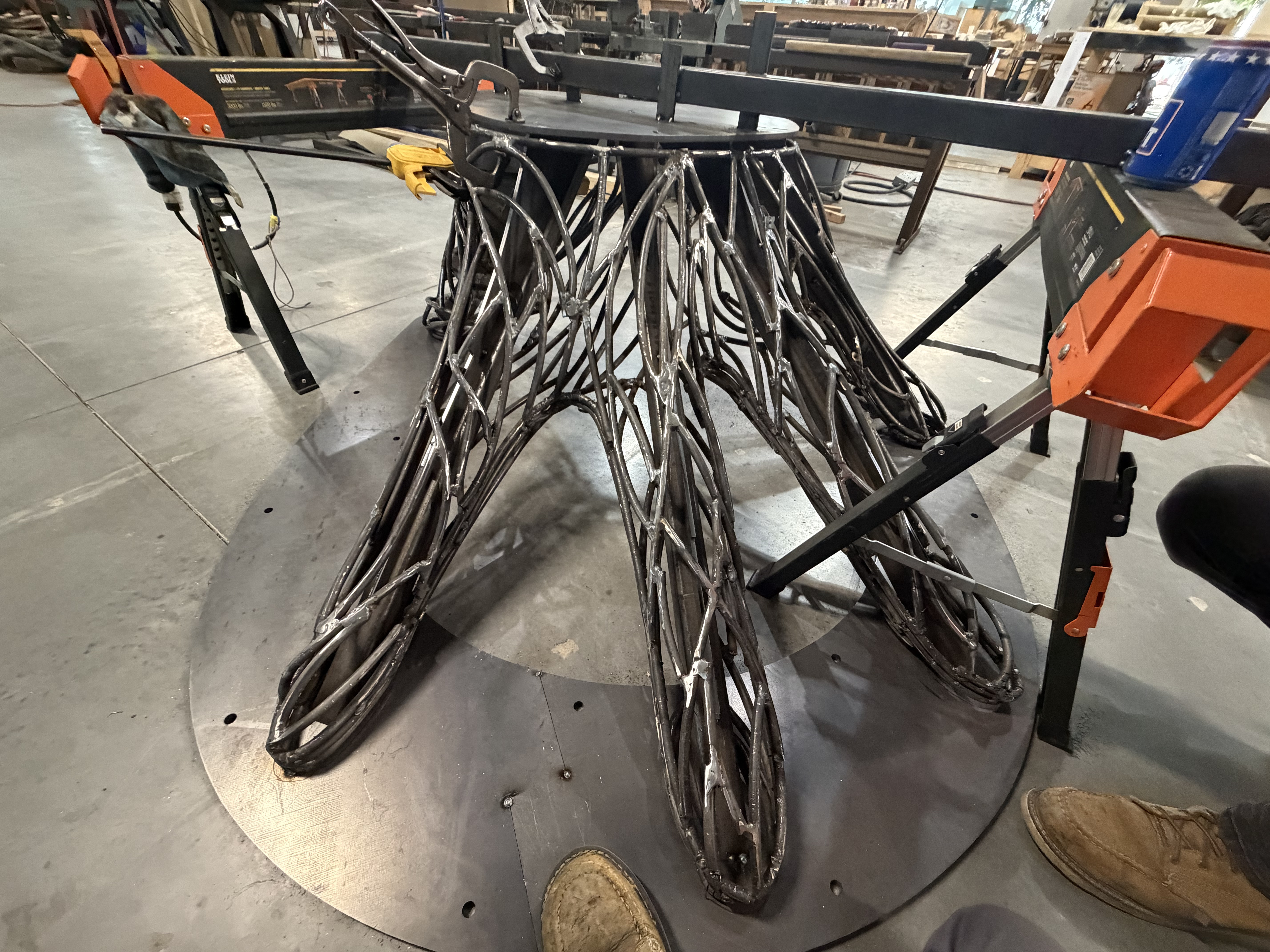
The source mesh was being sliced in arbitrary directions to generate cnc files, and the geometry nodes pipeline I was using to slice it needed it to be triangulated to run proper intersections anyway.
It never needed to be transformed, deformed or textured, so it was all it needed to be.
I was speaking more broadly than just topology. I am currently building an character for animation myself and I am tumbling down multiple rabbit-holes I haven’t explored in years and find them quite enjoyable, almost as much as the activity of designing and creating the character. Doing a sloppy job with weight painting, rigging, topology and whatever else would feel like betraying my creative vision - so I can relate to becoming kinda obsessive with professional workflows.
But your point has been noted. I am gonna need to experiment and test my stuff and figure it out.
@SterlingRoth Awesome work. I actually am kinda speechless and don’t know what to say. I wish I could have seen it with my own eyes.




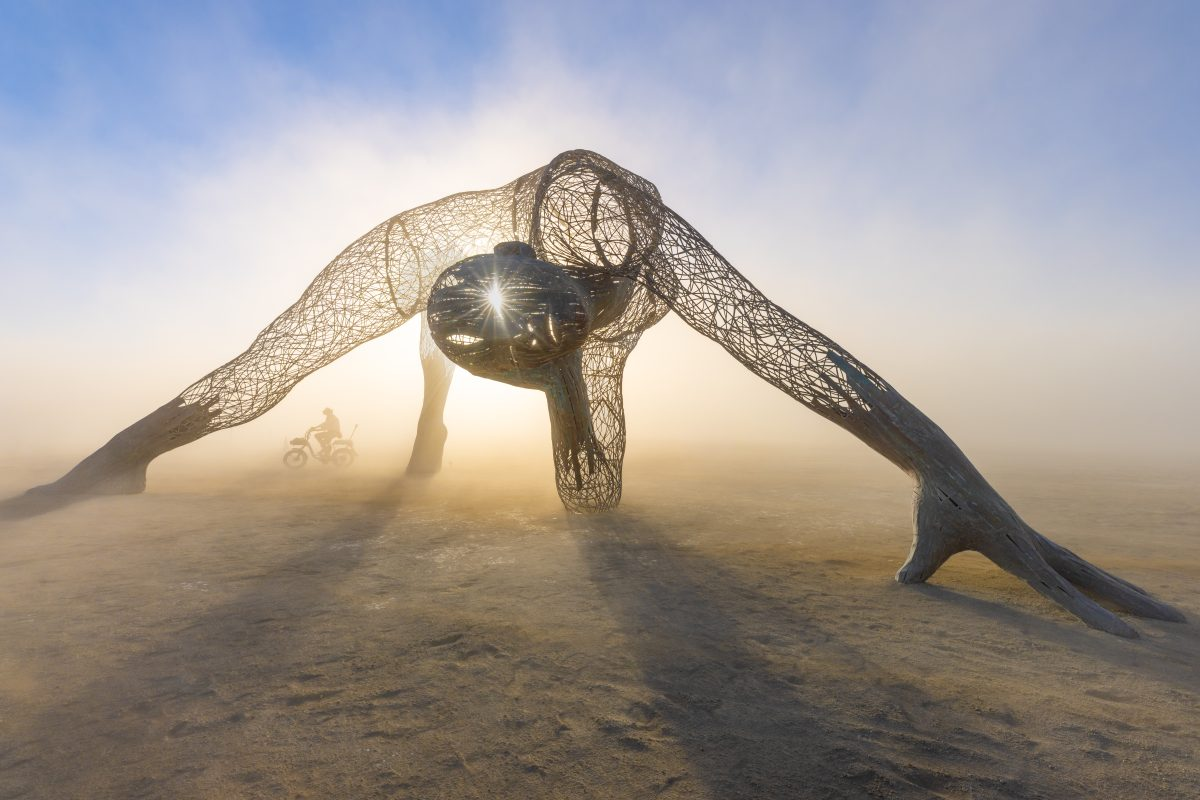
 I actually am kinda speechless and don’t know what to say. I wish I could have seen it with my own eyes.

