The cultures in the 2D animation communities ,that I have spent time in, seems to indicate that there is very little demand for any sort of “universal file format” for moving project assets between different 2D animation software ecosystems.
However, as expected, many of the more popular 2D puppet animation programs all have some built-in support for native formats from the major 2d bitmap and vector editing softwares such as Adobe, canva/Affinity, etc to help facilitate better automation of creating the actual characters that are later to be puppet rigged.
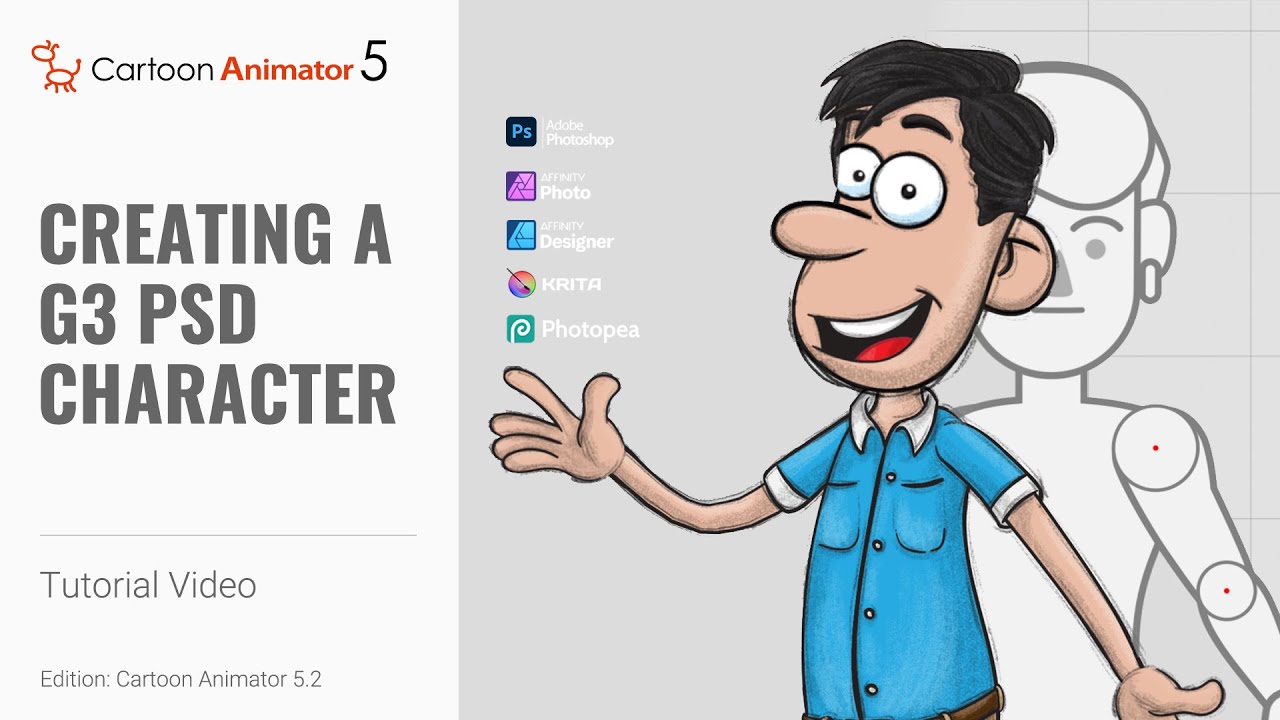
Puppet rigged 2D animation programs ,in my mind, still have many severe limitations, The major one being the difficulty in performing Z axis Depth camera moves/rotations .
This is why the most popular anime productions coming out of Japan are created with traditional hand-drawn 2D animation applications such as clip studio paint.
And in Europe TV paint.
Clip studio paint is also very popular with comic book and graphic novel artists, Because of the comic line filters that it has
in addition to the many brushes and layer compositing modes that are in some ways more complex than what you would find in something like photoshop.
I used clip studio paint to add more of a traditional comic book style line art layer to my 2D starter images for recent animated series I produced based on the HALO video game franchise deep lore.