You took the word files right out of my mouth! 

Me too! Most of my work on the project was remote, but I did get to stop by the shop where they were building it in Austin during BCon this year.. I’ll do a writeup post of the full process and post it here sometime. I’m pretty proud of it, and all the geonodes work it took to make it happen. There were 169 component assemblies with over 1000 individual parts, generated by a series of geonodes group with about 10,000 nodes total. It can generate puzzlefit assemblies like this semiautomatically:
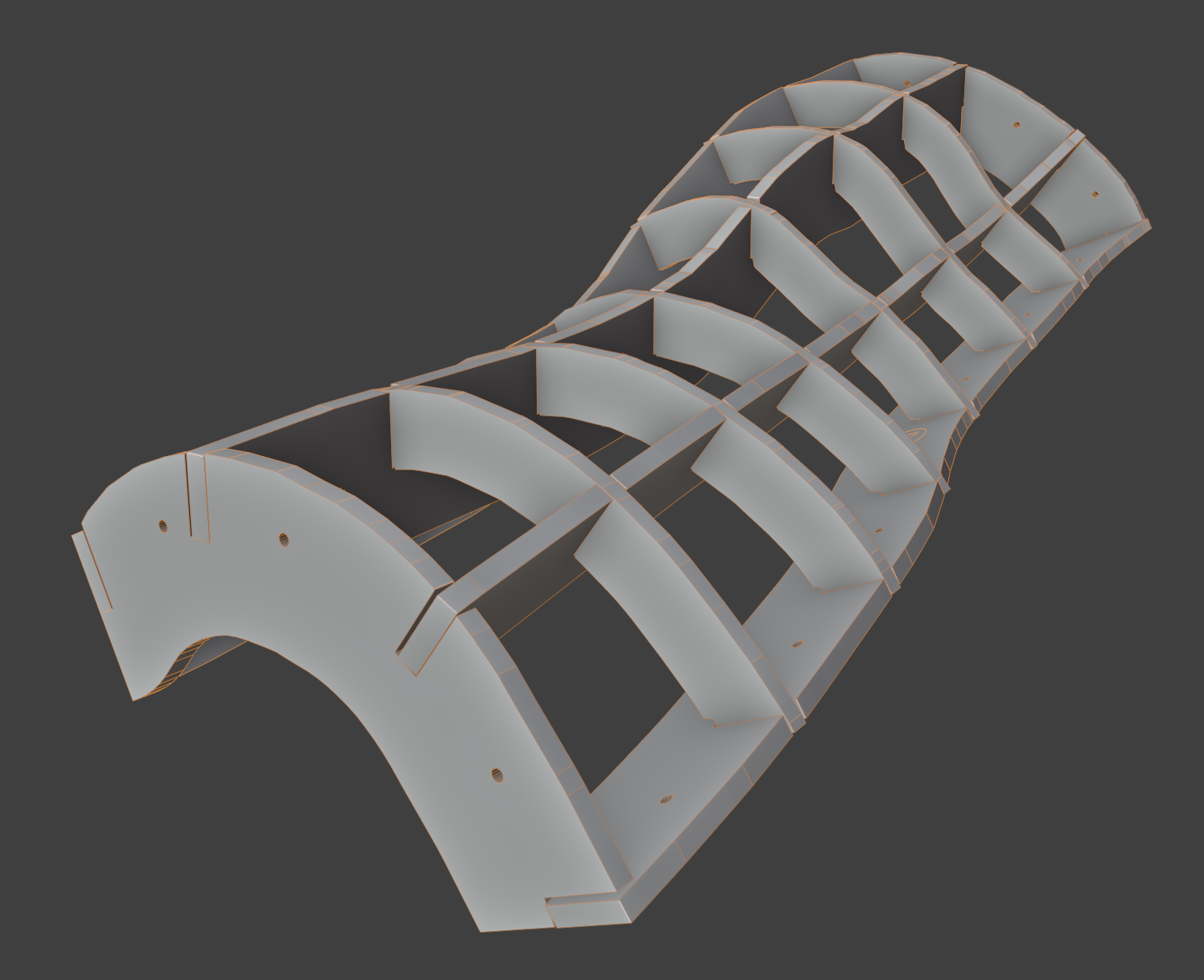
Anyway, sorry for offtopic. The point is: ‘Professional’ is a meaningless term without context.
That’s some impressive context. Very professional. And slightly scary.
Meanwhile I am trying to wrap my head around an automated finger rig/skin setup I myself build half a year ago with ~ 30 nodes and I am slightly overwhelmed.
Good deformation in that case relates to volume preservation.
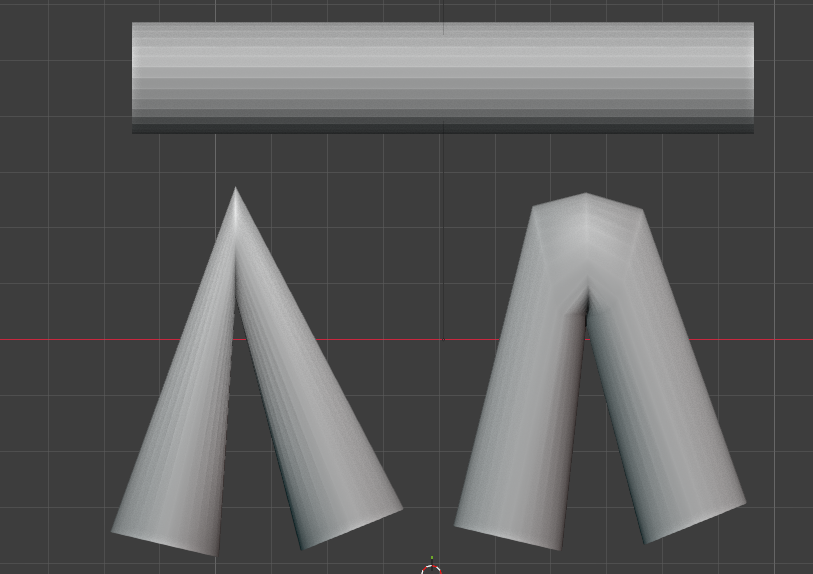
It’s not the best example, but you want to avoid the finger to look like the first tube but closer to the second.
But you don’t have to overthink it either, if the deformation doesn’t look obviously bad to you maybe it’s not to the viewer either.
Fingers on top of that are tiny unless you make close ups, and what you did seems ok even if I would have done things a bit differently, it’s going to be ok !
Especially if your goal is to learn it’s totally ok to make some mistakes as they are great learning opportunities, fixing those later can be a bit painful sometimes but the value of what you’ll learn is always worth the effort.
In the meantime, don’t stay blocked if something isn’t obvious as you want to get a working result fast so you can then account for actual issues, if that makes sense !
OP is asking about modeling good practices. Don’t get hang up on their choice of words