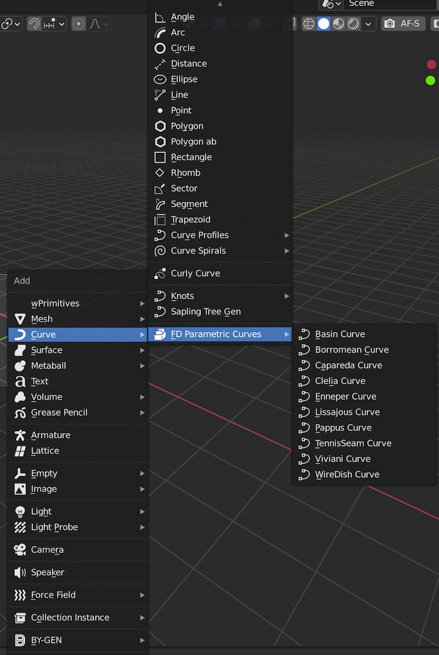
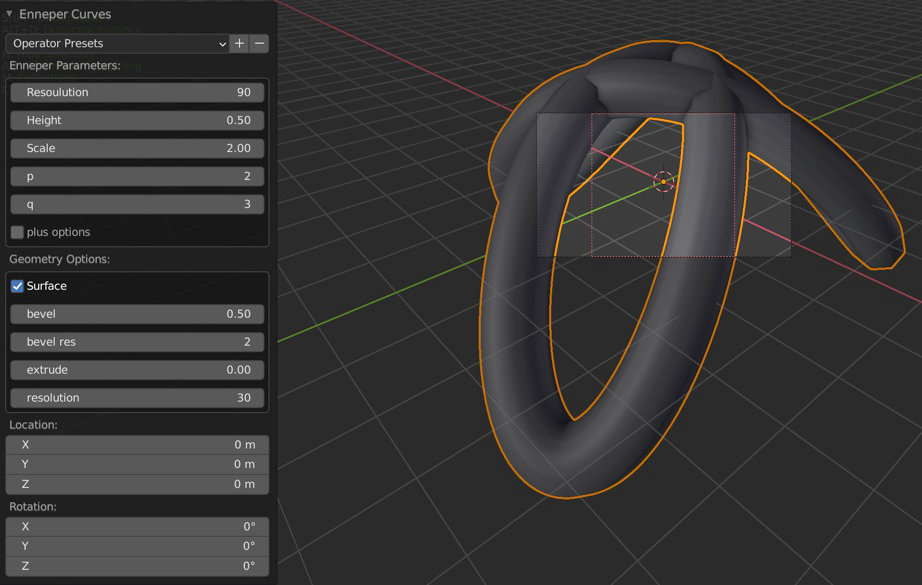
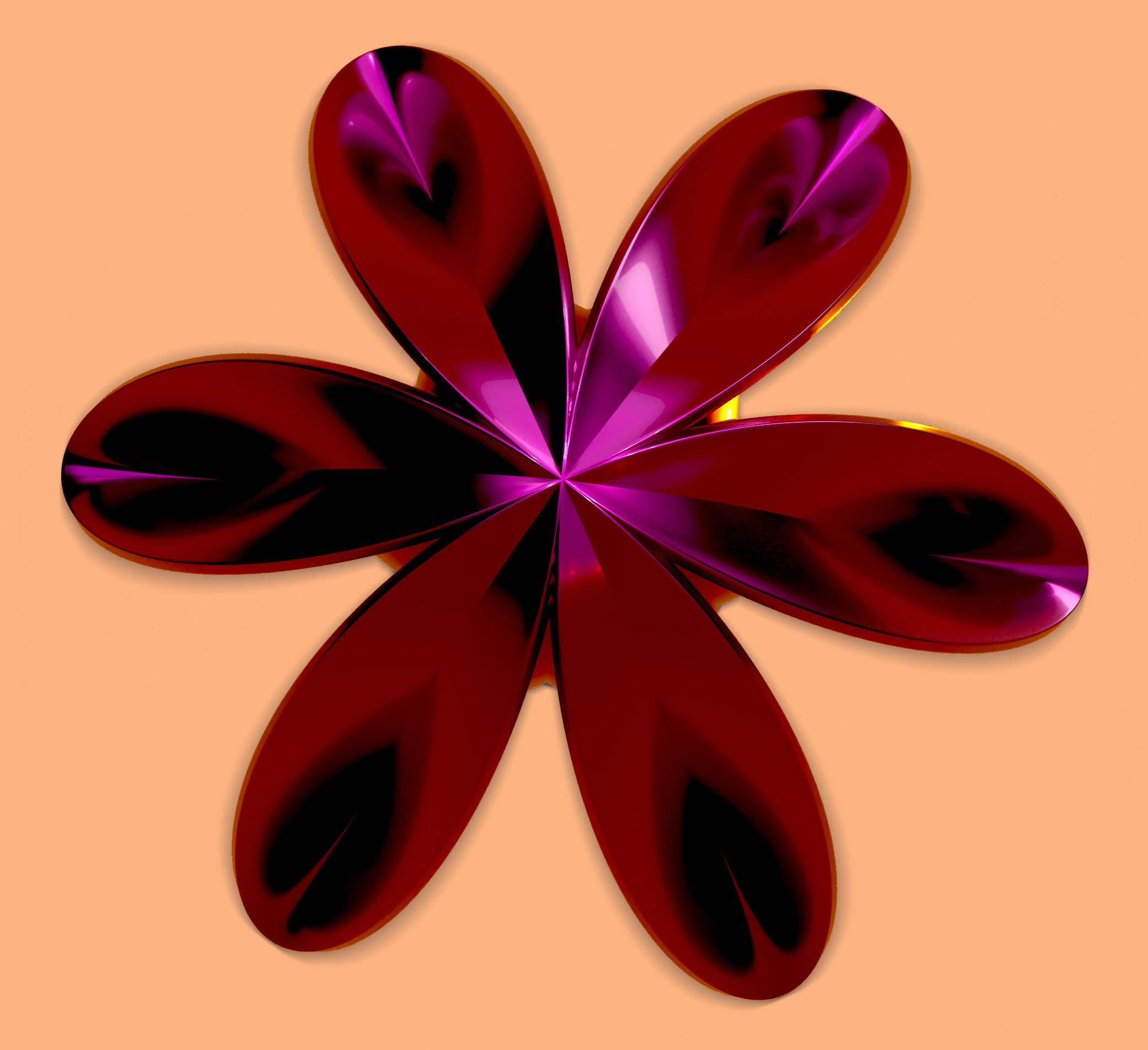
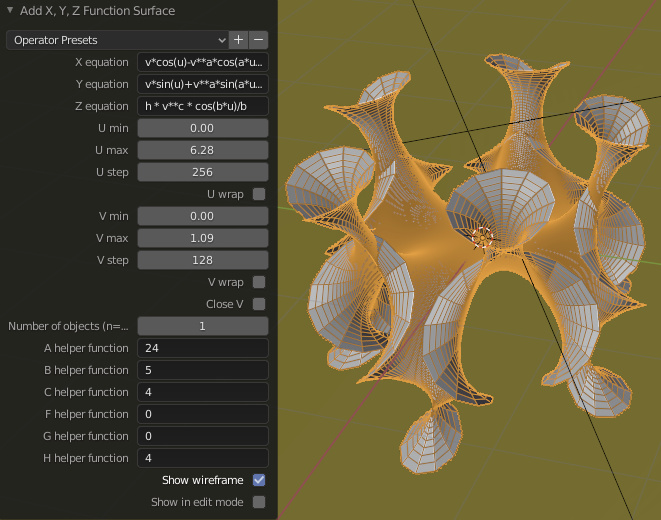
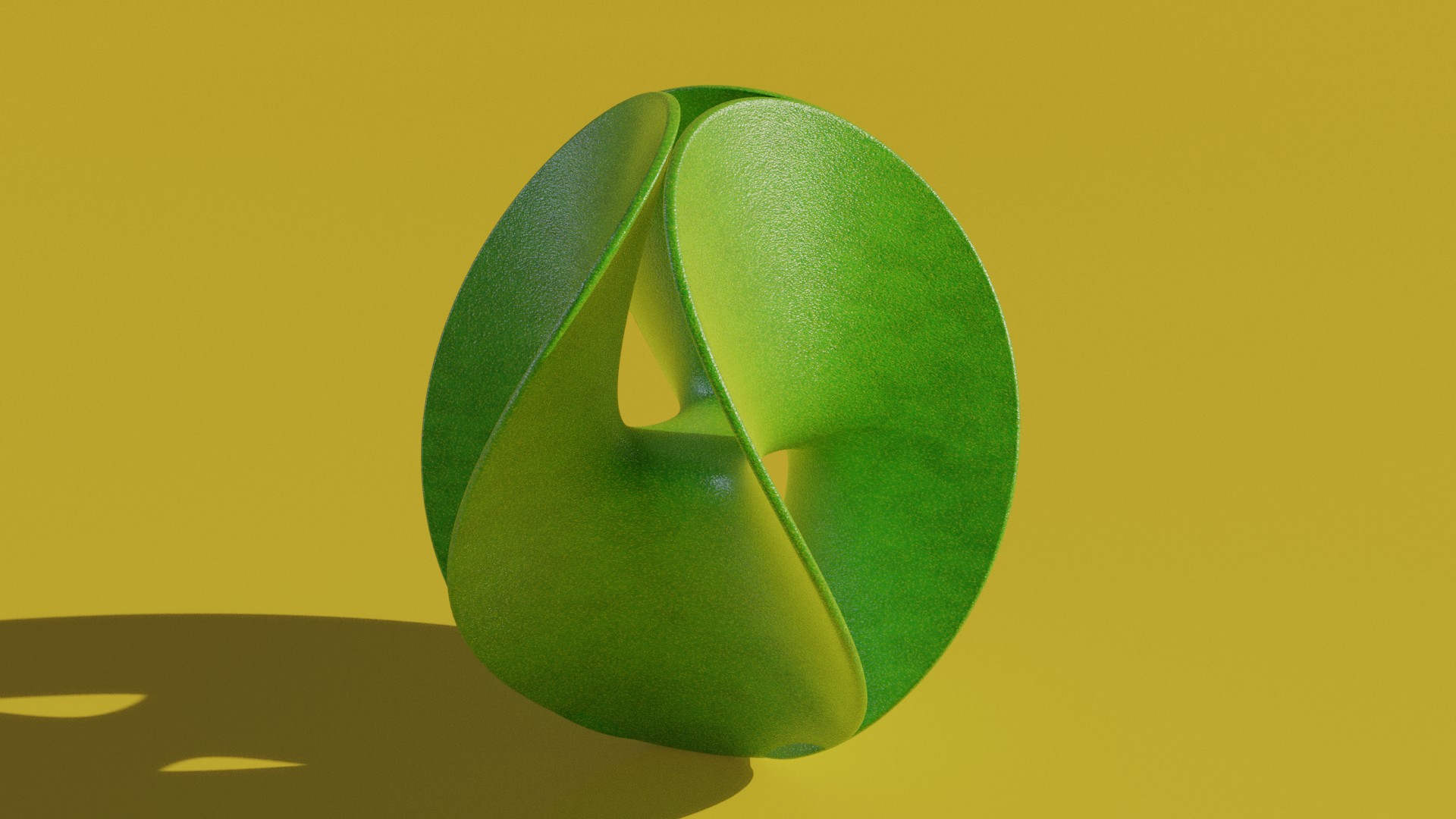
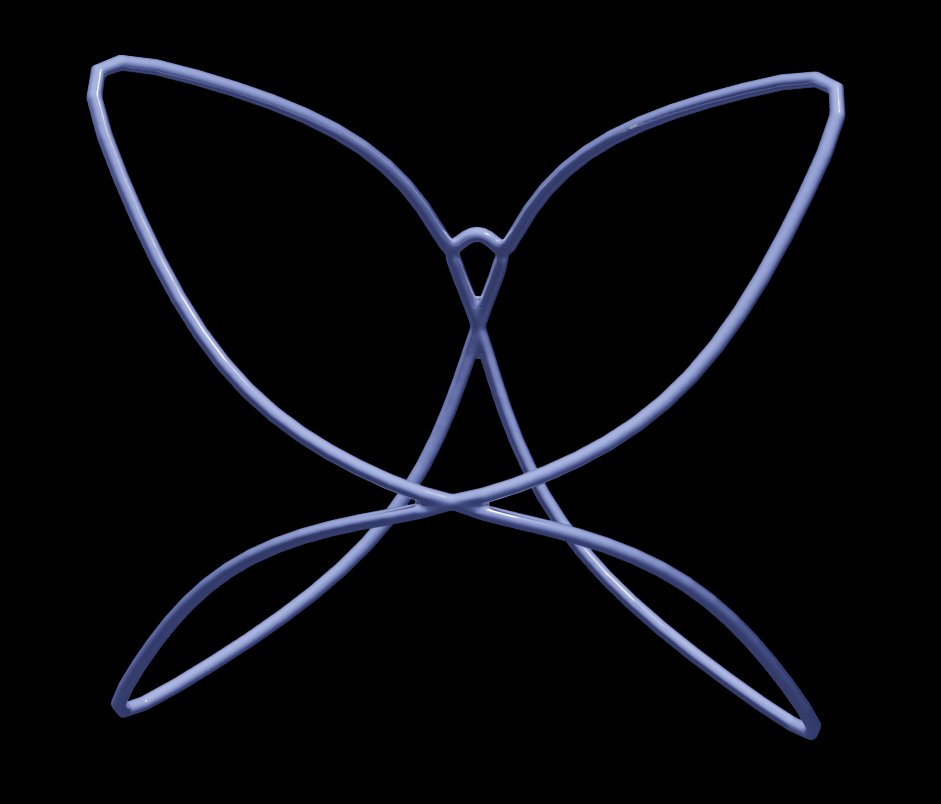
Paul, here’s an example I made of stripping down an Enneper curve to it’s basic shape, tweaking it, and creating a pendant:
Proof that procedural is certainly one way to go about it. Mathematics opens up whole other avenues of possibility.
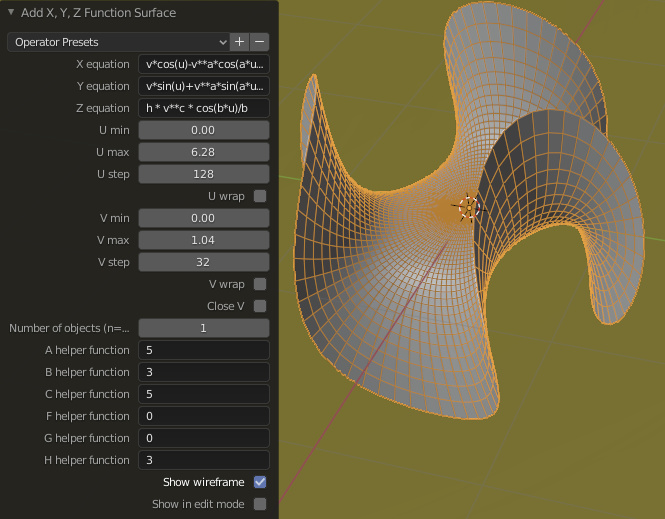
This for example:
https://asahidari.hatenablog.com/entry/2020/06/13/225234
Seems like it might be a useful endeavor for someone, maybe me (but it’ll take longer if I do it, cause of what I don’t know) to put together something that helps bridge the gap between formulas and their interpretation using Blender (example: Mathmod, or Mathematica, or Wikipedia, or Google Search to Z function or XYZ function)
Some wonderful stuff out there by (Youtube, Deviantart, Shapeways) by: Kukan Kogei (as noted above), Luxxeon3d, David Brinnen (Wings3D), TokiFX, Asopticom, Jimmy Gunawan (Blendersushi) and others, as well as you Paul, and Ricky, Sverchok as well exploring the possibilities of procedural, programmatical (Python), and node based parametric as well as surface, generative design.
Hard to find good examples of not just what can be done, but how.
So, every chance I get, I share it, because it taps into the raw power of Blender in different and amazing ways.
Yet other examples of what can be done, externally speaking:
Surface Evolver, Seifert View (but not export), or Antiprism (Works on Linux, not on MacOS) - a python program exists for the MacOS, haven’t figured it out yet:
Surface Evolver:
Antiprism:
http://www.antiprism.com/
Seifert Viewer: (Exports images)
https://www.win.tue.nl/~vanwijk/seifertview/index.htm
Also:
Sculpture Generator:
https://people.eecs.berkeley.edu/~sequin/SCULPTS/scherk.html
Great stuff out there!
As I’ve heard (back at ya):
Cheers! and Happy Blending!
Oh, and of course:
Stay safe.