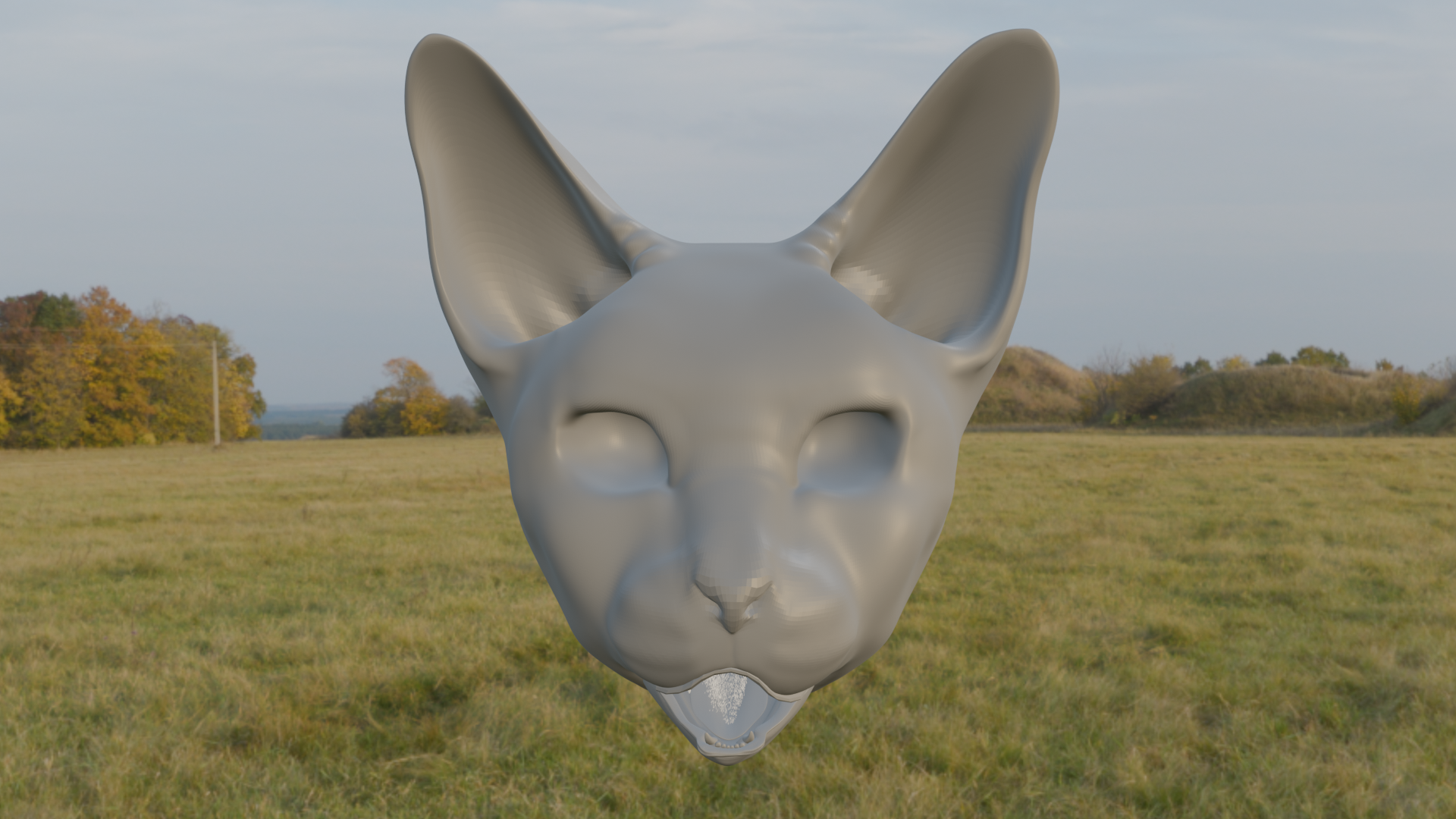
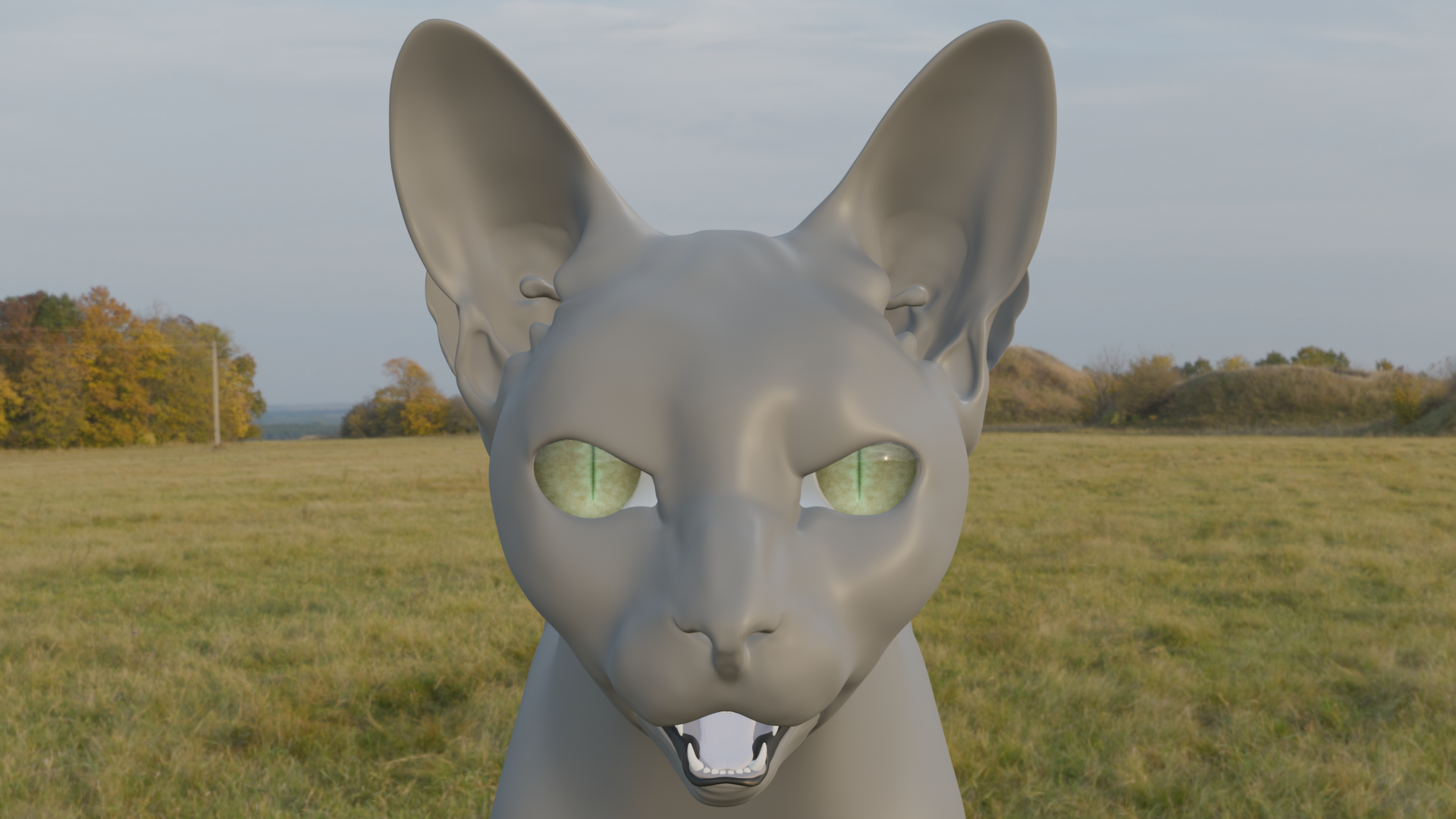
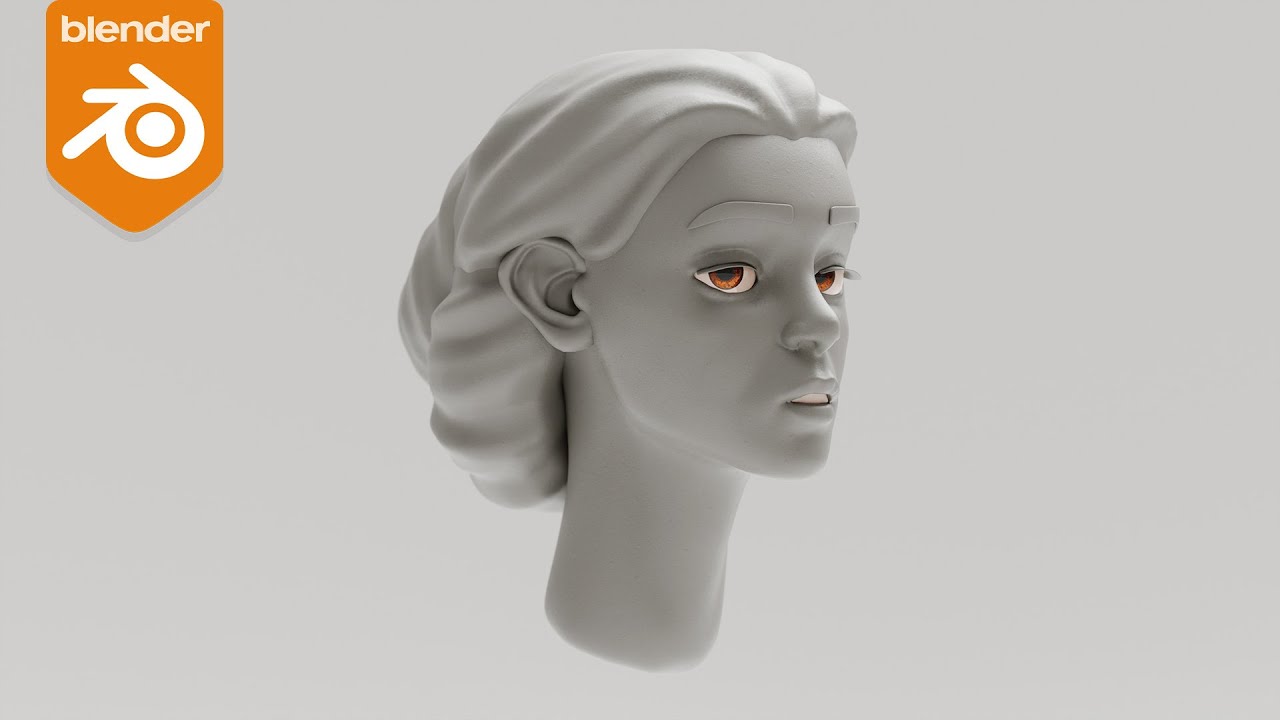
Well, it’s true that generally you reach a point where you have most of the face, but it looks off and then you need a polishing phase that will help to refine the model.
However the basis is still the same, so if you feel that your character is somehow 70/80% there, but still it’s feels off that’s probably natural.
If it’s more 10/20% there , then you might consider starting over with a better basis.
That said, if you’re a beginner I suggest you to not mix too much learning and practical exercises.
Start by practicing modeling on existing characters/concepts, or try to follow the tutorial as close as possible first. Don’t worry too much about the end result but try too learn as much as possible. Repeat with different tutorial, or do the same a few time getting closer to a good result each time.
Once you are more confident about your skill, try do to something more personal. The focus is then more on the result than learning the technique.
It doesn’t mean you can’t use some tutorials, as they are a tool like any other.
But the tutorial should be more like a crutch rather than a walking system if you will.
All that might sound counter productive, but it’s a beginner mistake to look to fast into getting good results or looking too fast for personal project.
Stuff like IDK 3D but I’m starting my game, short film and I’ll learn as I go…
Generally people doing so have very little chances of success.
My rule of thumb is that in order to be really successful you need to have at least 70/80% of the technical aspect figured out. So you can concentrate on the artistic side and learn the 30% remaining on the fly.
If you don’t have that right balance then it’s better to practice and leave the artistic side for a while and focus mostly on technique.
That’s a way to approach things I discover quite lately, and that’s generally not how beginner think.
To put that differently, you’ll learn by doing and re-doing. In the beginning you want to redo as much and as fast as you can to get some mileage. So it’s best to practice on subject that are not important to you.
If it’s a personal project you might put extra effort to get it right, but it’s also possible you’ll have to start over later as you missed a bit of information early in the process.
For instance, if you want your character to be animatable there is a bunch of things to consider when building the mesh. If you don’t know them, at some point the model might look good, but at some point you’ll have to start over so the model allow for correct facial deformation.
However when focusing more on technical aspect you’ll be less invested emotionally, and if a character isn’t well suited for animation it’s not a big deal, you can always pick another reference and build a new character to learn specifically how to make the face deform/animate properly.
Hope all that make sense !
Good luck on your learning journey, keep in mind that most of the time the hardest path turn out to be the fastest in the long run…
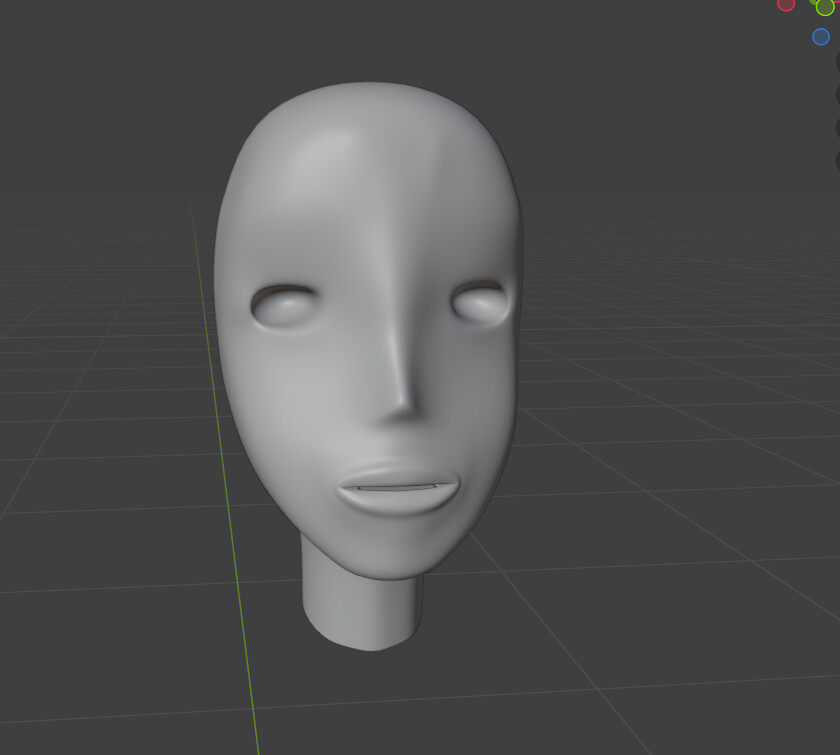
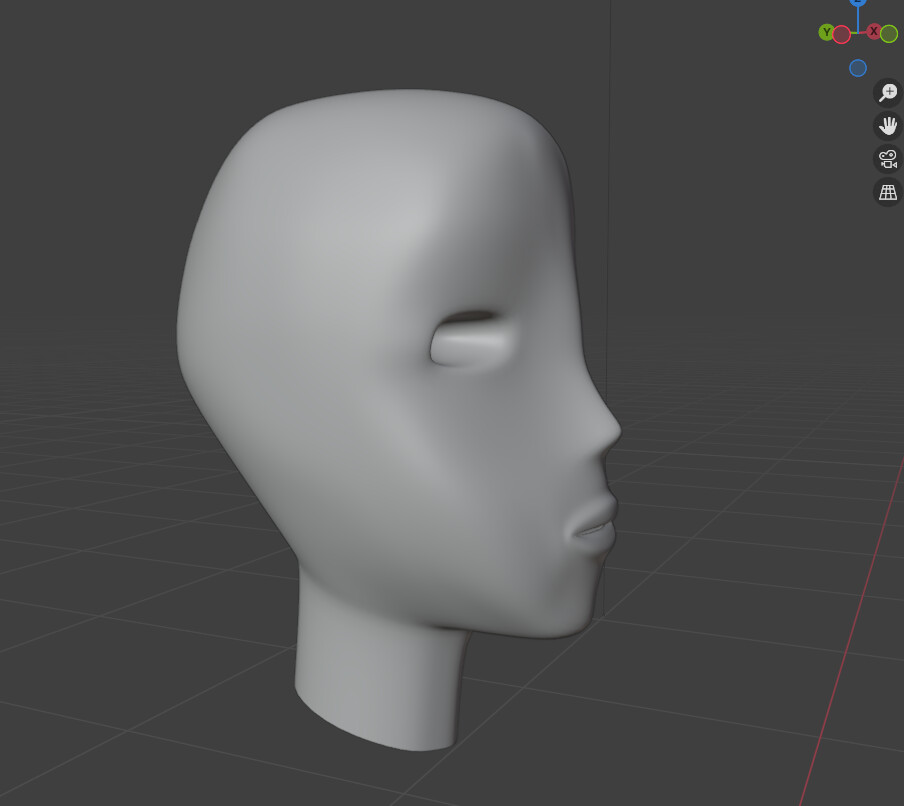
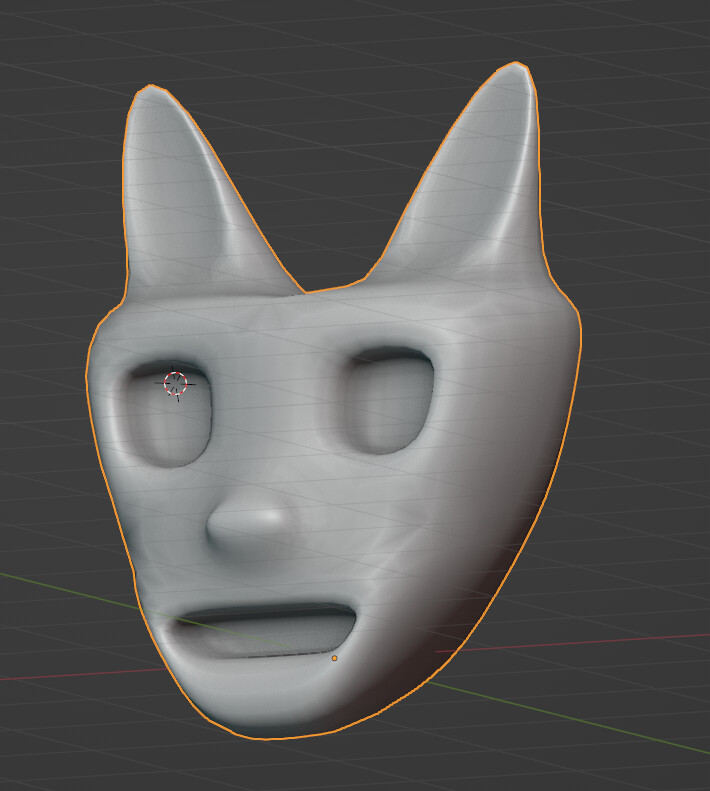
 Does it often look bad when you are starting on making the character? Here is the mesh