Hello everyone,
I would like to model a lowpoly version myself and other people from video using 4k+green screen in a manner similar to this: https://www.turbosquid.com/3d-models/3d-rigged---characters-animate-crowd-1592699
In the past I’ve modelled myself from pictures, but texturing wasn’t easy.
I would like to know if there are specific techniques or open-source software (no ai) that would give a baseline textured mesh for me to improve on.
Thank you.
Cheers!
The technique is called photogrammetry.
There are opensource software like meshroom
from https://alicevision.org/
or Colmap
Hum, these scans uses photogrametry to be done…
Basically they use multiples cameras that shoot the subject from various point of view and this is then fed into a software like alicevision to recreate a model.
Problem with doing that without the 100 cameras for the shooting is that it’s likely that people are going to slightly move which is going to confuse the software when trying to match each pictures …
Then for texturing they can project each photo into the model but again in a pro shooting situation the light is even and there isn’t any shadows, which might be challenging when being completely on your own…
While I’m not a big fan of AI tech, it might be worth exploring those option as they might be much simpler and efficient if you don’t have access to a professional scan .
Also I think there are some app you can install on your phone for 3D scan worth checking, maybe it’s possible to scan multiple parts and assemble into blender.
2 Likes
Those are two I know of. I am sure there are others.
Photogrammetry is definitely one way but is quite tedious, noisy and requires a lot of clean up. Though there might be some addons for that I am not aware of
We get photogrammetry files from a client sometimes we usually simply match one of our own models to it after we process the mesh.
But we are not trying to replicate them exactly.
AI is the best tool for that job currently.
How accurate do you need the end result to be? If you don’t need super accurate and detailed results you can get a decent texture from images from three sides, projecting 2 or 3 uv maps to them, and blending between them with vertex colors. You can also use vertex colors to brighten up too dark or shadowy areas of the textures etc.
2 Likes
If you don’t want to add your model to train AI database, there are local working softwares that could do photogrammetry with a certain level of automation.
Here an example https://www.3dflow.net/3df-zephyr-photogrammetry-software/
You can estimate the whole process watching the tutorials
https://www.3dflow.net/technology/documents/3df-zephyr-tutorials/ or test it using the free version https://www.3dflow.net/3df-zephyr-free/
Hey!
Thank you all for your replies.
I knew about photogrammetry and its advantages and tricky setup, but I was hoping there was something that could speed up the modeling process based on a human template.
But I guess the process I always going to be kind of tedious.
@keihaankarkinen I don’t need it to be detailed, the details on those example models come mostly from the textures, and even then they are not that high (max 2k is what I used).
Cheers!
1 Like
Good catch. Definitely if that bothers anyone don’t.
FYI it is my understanding that according to the EULA, that this is only true for free version.
I could be wrong, I have not checked it closely.
For me personally, I don’t mind being trained on for my work or the work of my company.
But it is a very good catch to warn about that to others.
So thanks !
With that caveat aside, AI is definitely the best method here.
I’ve used Local LLM for subtitling only, it took a while with mixed results, but it was definetly getting to a useful tool.
From your experience, a beefy Graphics Card is needed right?
Cheers!
EDIT:
Hey, does software (open-source ideally) like Make Human have any sort of process to do a low-poly version of hand-made photogrammetry ?
Cheers
Not sure about make human.
I have not used any local models. Generally, yes it takes more compute power to use them locally.
But here is the free open source local models that I found:
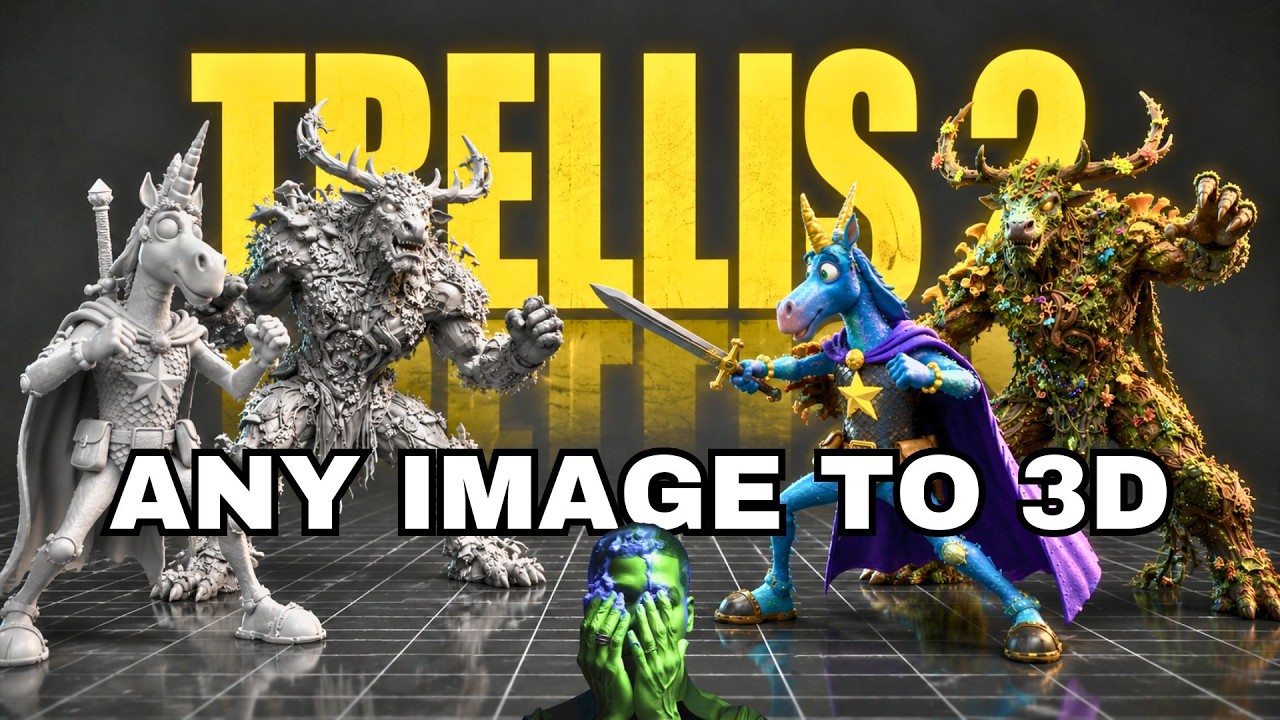
There are more (search Google) but I think you need comfy UI
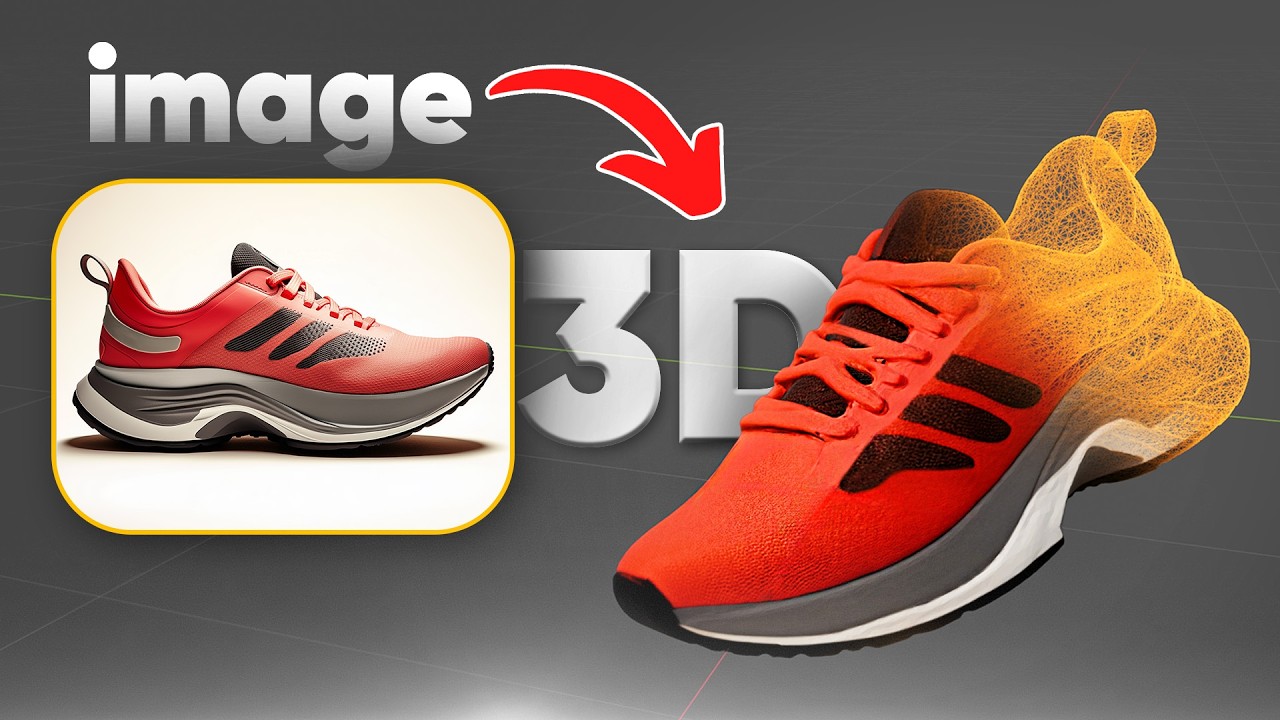
Which can also run locally.
Good luck!
Thanks!
I also stumbled uppon this plugin for blender:
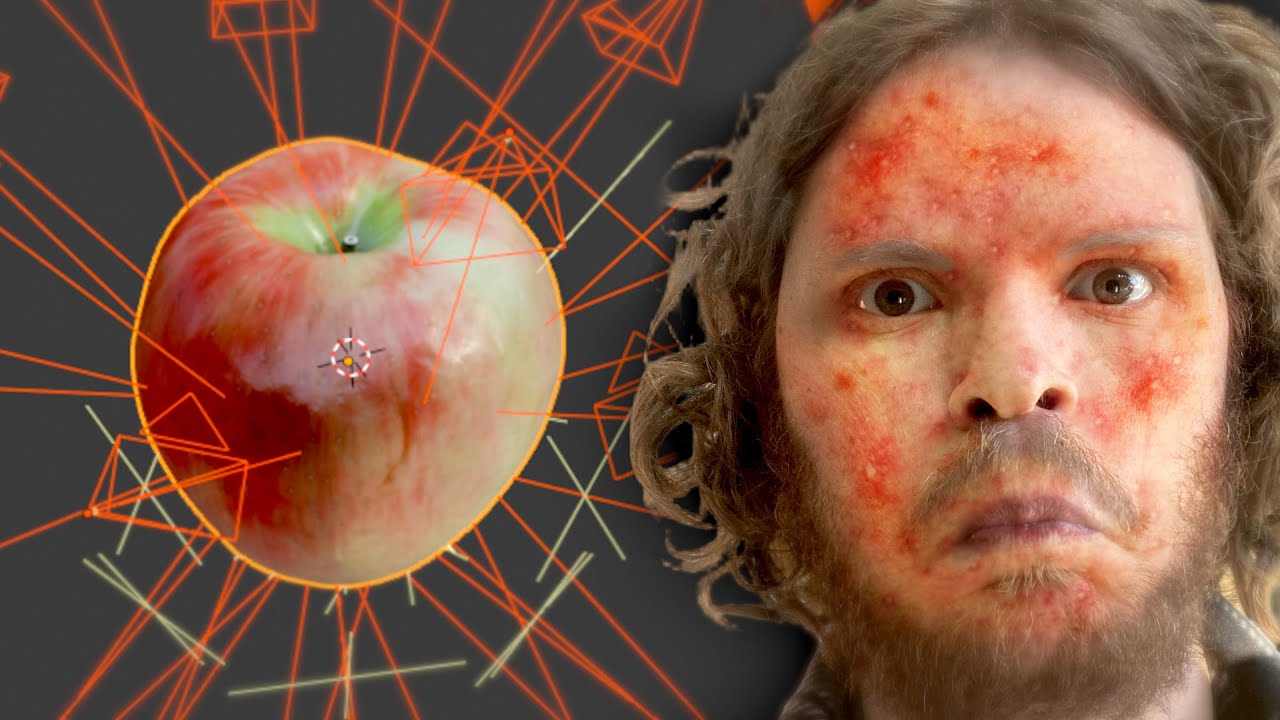
I also am going to try it out. Cheers!