This is an interesting subject. My understanding of this comes under the general heading of intellectual property. From my more-or-less high level understanding from studying this off and on over the last 40 years, for various reasons and situations, intellectual property is broken down into three main areas. each have different uses and laws and means to establish and enforce.
-
Copyright. It’s use is in the name. The right to copy something. That “something” is defined by copyright law. But generally speaking is is a creative work, such as a song, book, play, movie or painting. It comes with certain restrictions. General ideas (boy gets girl) are not copyrightable. But moving closer to a central idea is copyrightable. And there are certain guides that lawyers and judges try to follow to determine what constitutes a violation. These things get fought about in court. It is never ever clear cut and simple. And it is highly driven by case law - see below.
-
Trademark. Again the name describes what it protects. A mark (symbol and/or phrase) that represents a given trade - commerce. Generally speaking. But the law goes over the specifics. Again it comes with certain restrictions. And also a set of specific rules you need to follow. If you don’t follow them, you could loose a mark. Or never get it registered. Doing so is an expensive and complex process. But it is generally intended to protect things like “Disney” “Pixar” and avoid confusion in the market place that - here is the main thing - can cause loss of money to one party. It can also protect things like “Make America Great Again”. Look it up.
So if you want to sell T shirts with your character, file a copyright. If you want your character to represent your brand, file a trademark.
- Patents. This last one covers a process or method of creating something, or the unique thing. Or both. It also can protect certain designs. For example a car or a blender or lawn mower design. Its intent is to cover industry and manufacturing. And it covers things like formulas in drinks that have a specific flavor. (which actually is a Trade Secret not a Patent) It can cover certain technology, like certain processes in computing or any thing that can be replicated in any kind of industry, including digital software and methods.
One famous and controversial case is the guy who filed a patent for his CG hair method and sued Autodesk ( and others I think) for ripping him off:
https://patents.google.com/patent/US6720962B1/en
I believe he eventually lost. But it is worth researching.
So, now. The main hitch with filing a patent, is that you also have to not have published anything about it. This is a tricky one. And I won’t pretend to know how to determine this aspect of if or all that it can mean.
But, clearly the Patent law is intended to protect things, such as a method of retopolgy as well as a plugin to do it. The trick here is not could you file a patent. You could. And if you are a part of a large firm that was making plugins you would definitely be also filing patents on them.
And here is why. Copyright would only cover the code. Line for line. Not the process of making it work. You could trademark “My Best Retopolgy Tool”. And no one could release a tool with that name. But a person could trademark another name, steel your process and code it another unique way. And there is nothing you could do about that unless you filed a patent. And you could only file the patent - before - you released the plugin - as I understand it.
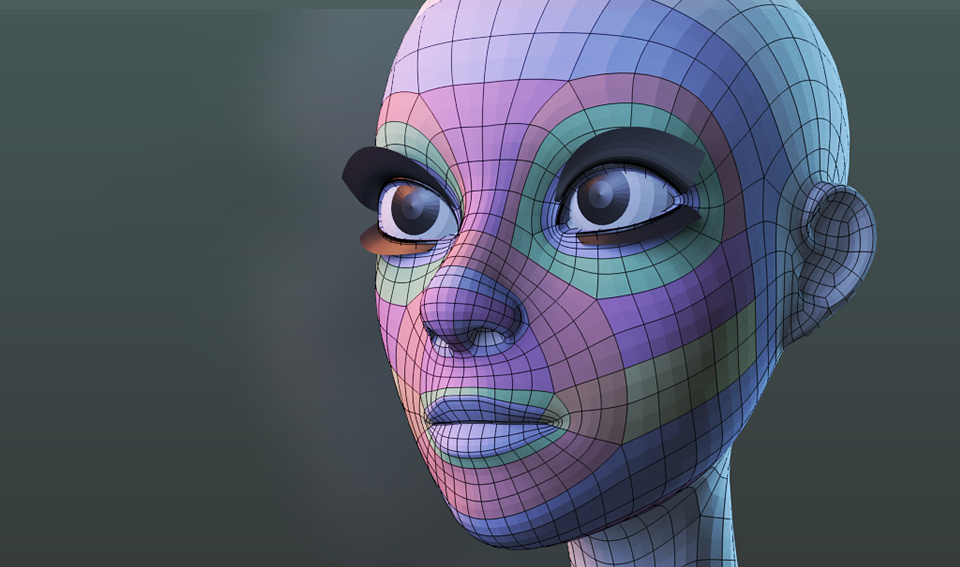
The same could be true for paint strokes or topology methods. The problem with these kinds of things are that they are generally considered common knowledge and out in the society. They have essentially long since been “published”. And no one can ever claim a unique right to it.
But anything you think is a unique method that you know, that no one has thought of before, you could, in theory patent it.
By the way, legal agreements, contracts (including EULA, all of the open source legalese) and so on are not law. Law is what is written in the law books as passed through some form of legislation and is enforceable within the territory/industry or level of government they were intended. A legal agreement (ELUA or any kind of legal language) or contract can violate laws, so laws take precedence. And laws are never enforced by the written letter of the law, they are enforced by judges and juries. And case law is the study of previous case decisions by judges and juries that set the standard for future decisions. The law, which can be interpreted in many ways, is not the final word. Ever.
Joe Alter will attest to this. Right or wrong. I don’t know. But he lost that one.
The only person qualified to deal with any of this is a lawyer familiar with each particular type of IP who is familiar with not just the law but more importantly, case law.
EDIT: I left out a 4th one which is Trade Secret. Doesn’t really apply here. But it is similar to a Patent but it follows completely different rules and laws. Mainly, that it allows you to keep something secret. Whereas a Patent is made public and similar to other IP it must be licensed in order to be used.